
12,000+ PLAYERS · 60+ COUNTRIES · PLAYER DEVELOPMENT SINCE 2012
AD
The Science Of Performing Under Pressure
7 Reasons Good Players Look Different in Competition Than They Do in Training
Young athletes drop out of sports due to performance anxiety and fear of failure. Our Player Mindset Program teaches process-oriented focus, emotional regulation, and authentic self-belief.

SUMMARY: If you've tried moisturizers, creams and everything in between, and nothing has actually ended the constant dryness, you know the emotional and physical toll it can take. vGlow™ is changing the game — not with temporary fixes that mask the problem, but with clinically proven red light therapy that restores vaginal tissue. Here are 7 reasons why thousands of women who tried everything are finally ending the constant dryness naturally and for good.
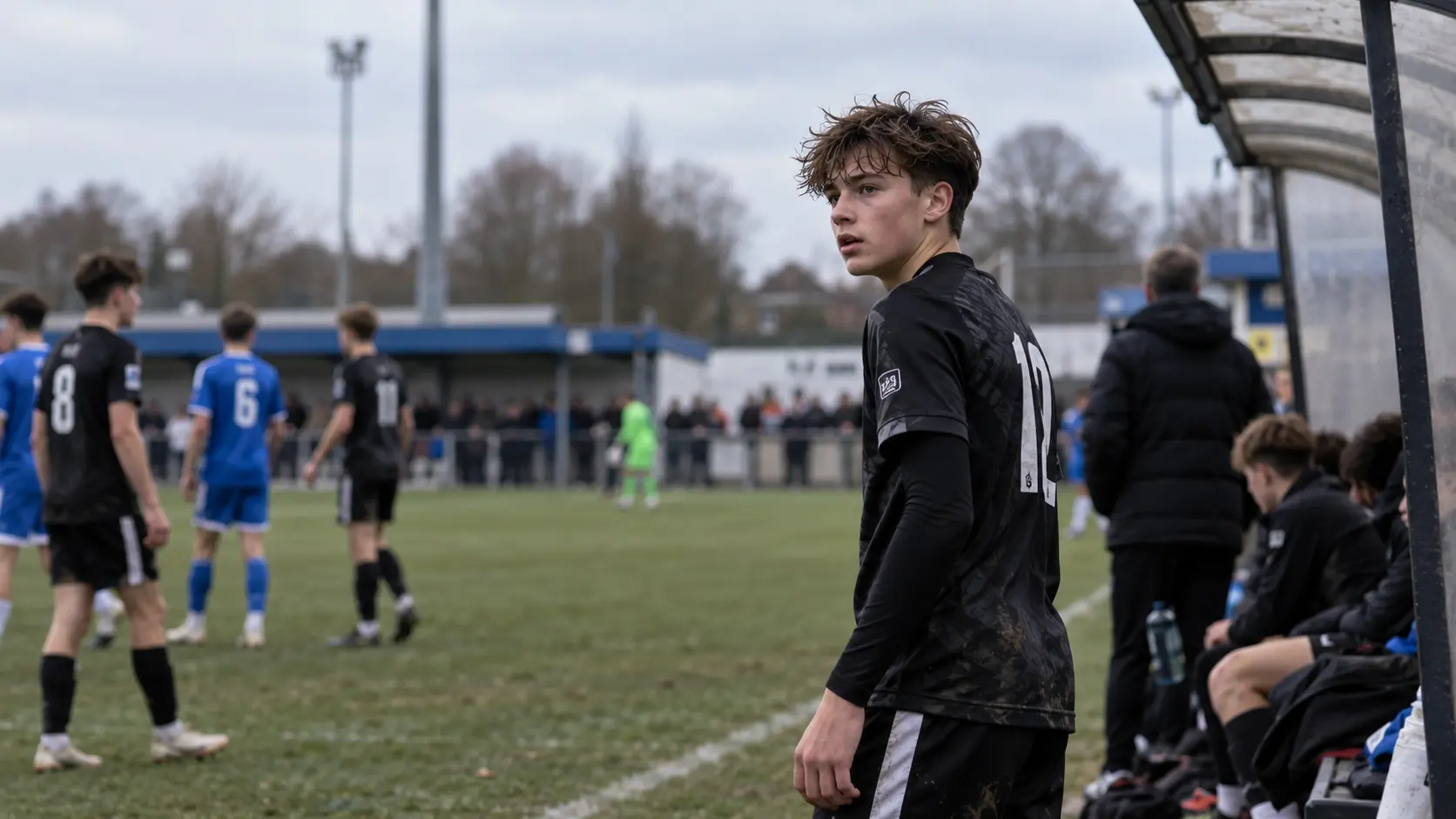
1. Match day asks something training often doesn’t.
Training and competition can look similar from the outside, but they don’t always feel the same to the player. In training, a mistake might just mean something didn’t come off. There’s another rep, another drill, another chance to go again. In competition, that same mistake can suddenly feel connected to the score, selection, teammates, the coach, parents watching or what happens next week. Their ability hasn’t disappeared, but the meaning of the moment has changed. And that can change where their attention goes too. This is why a player can look free and decisive all week, then hesitate when the game starts. So when a parent says, “But they were brilliant in training,” they’re probably right. Competition is simply asking the player to manage something training didn’t.
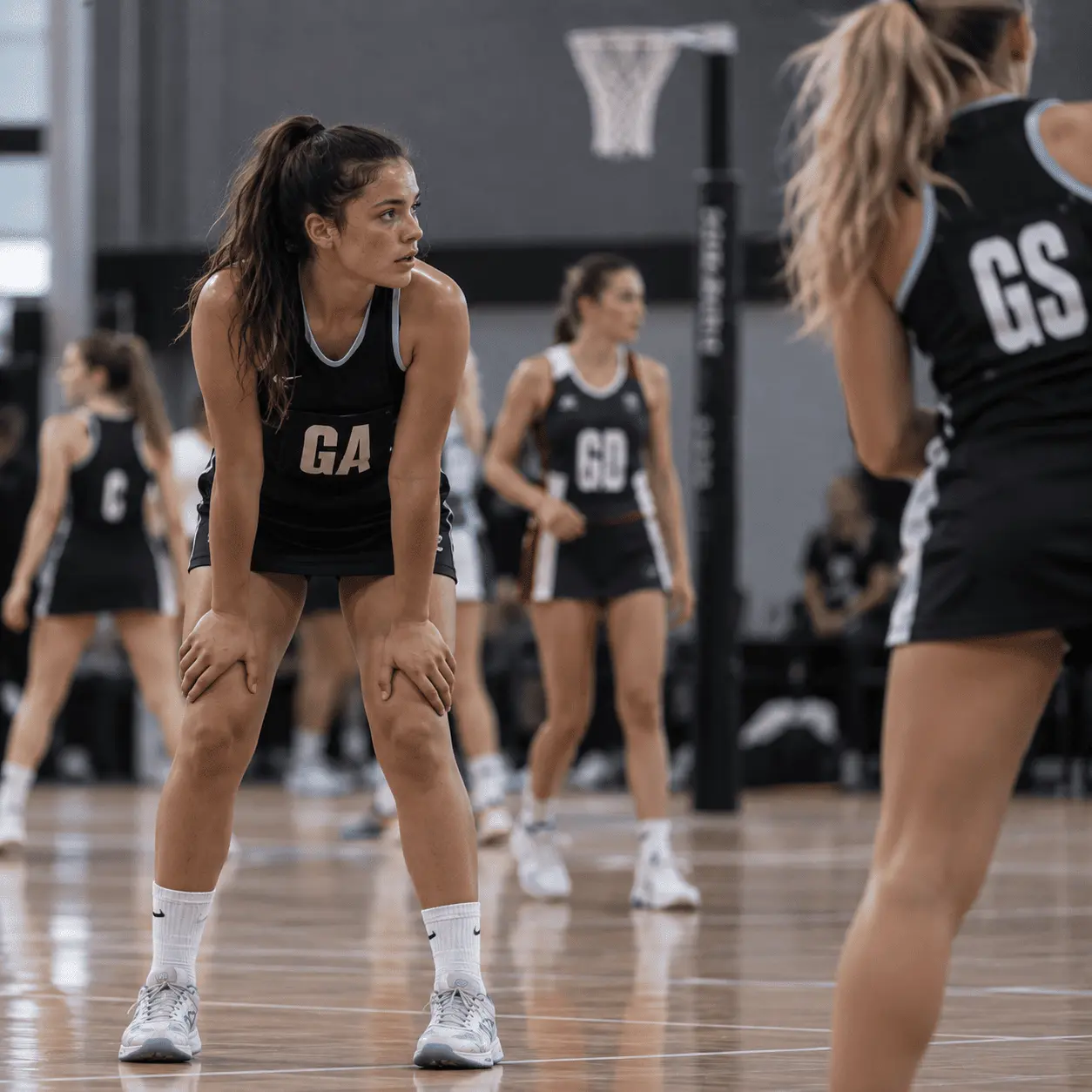
2. Sometimes the mistake affecting them hasn’t happened yet.
Watch a player who’s worried about getting something wrong and you can sometimes see their game change before the mistake has even happened. The pass they’d normally try becomes the safer one. They hesitate before moving into a position they’d usually take up, or stop asking for the ball as much. Nothing dramatic has happened. They haven’t necessarily made a bad decision yet. But part of their attention has moved away from what the game needs and towards avoiding what might happen next. From the outside, that can look like low confidence. But there’s a useful difference. Sometimes the player isn’t reacting to a mistake at all. They’re reacting to the possibility of one, and that can start changing the decisions that come before it.
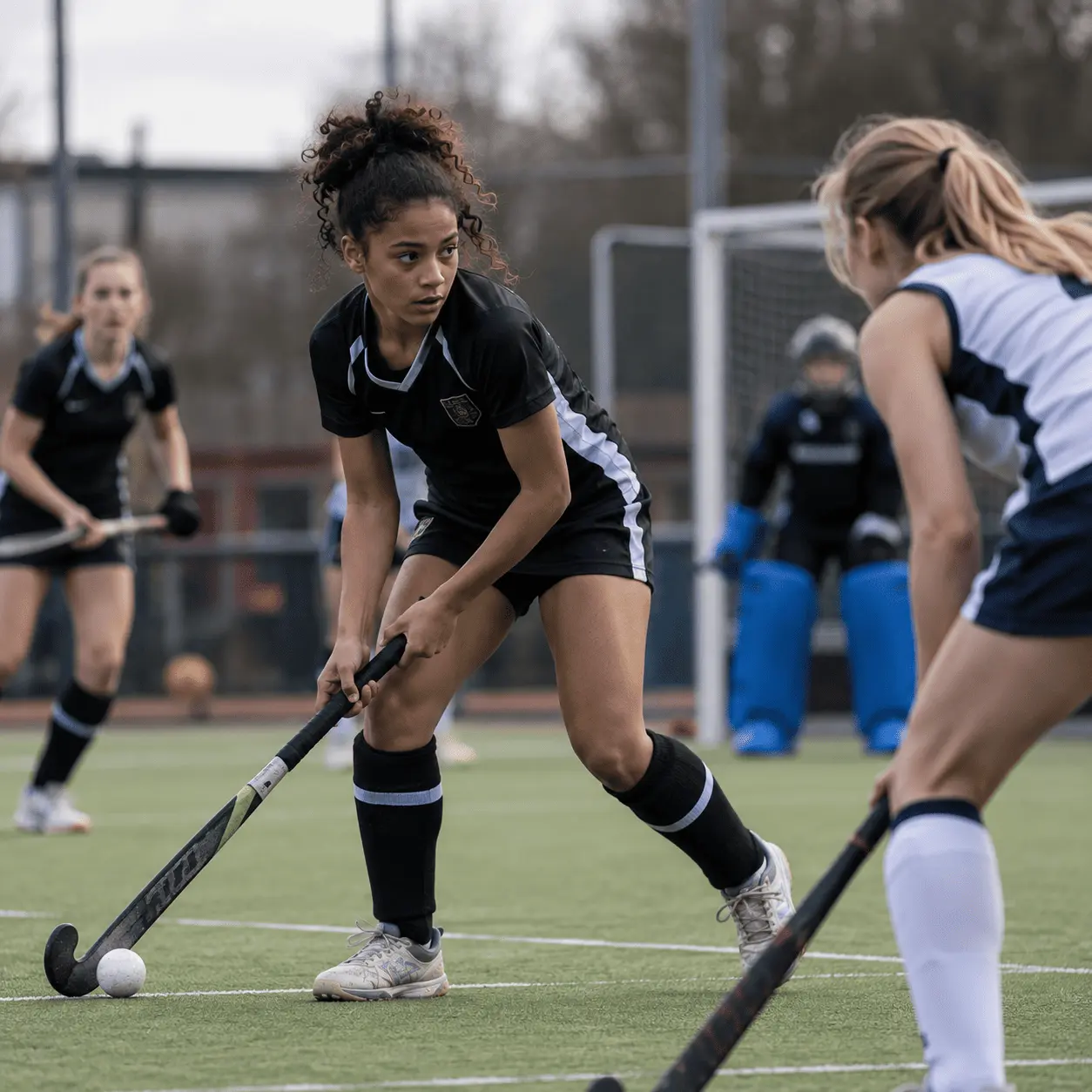
3. More training can’t fix every match-day problem.
If a technical skill needs work, train it. If a player needs to get stronger, develop their strength. If their movement, positioning or decision-making needs improving, coach it. Those things matter. But what if they can already do the thing we’re asking for? You’ve seen it. Their coach has seen it. It appears regularly in training, then becomes harder to access when the game matters more. More repetitions might improve the underlying skill, but they don’t automatically teach a player what to do when a mistake embarrasses them, pressure changes where their attention goes, or they start worrying about the coach’s reaction. That’s a different part of performance. And players are often expected to work that part out for themselves.
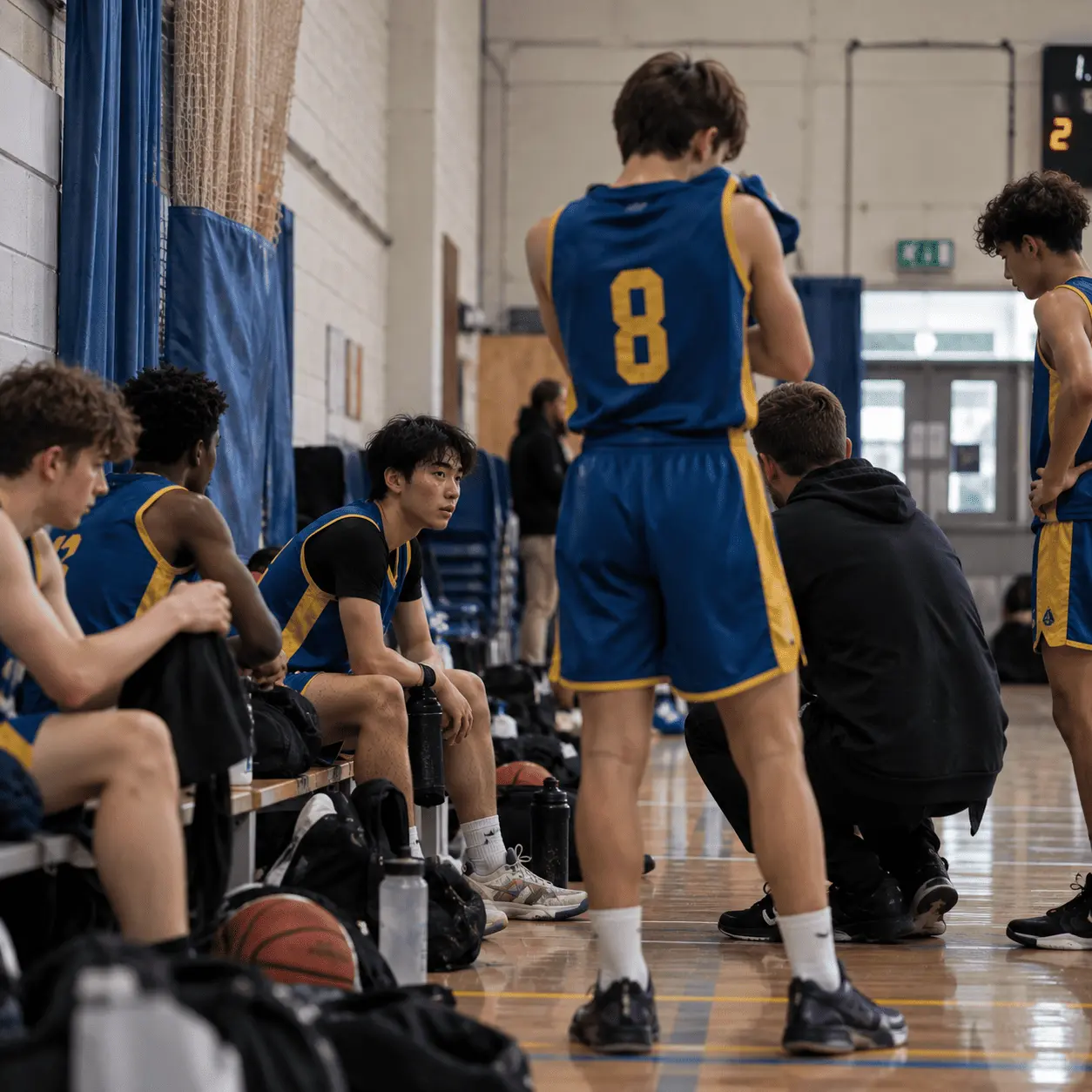
4. “Be confident” tells them the destination. Not how to get there.
Most players already know what the adults around them want. Be confident. Relax. Forget the mistake. Stop overthinking. Keep your head up. Play your game. None of those things are ridiculous. They’re usually said because somebody is genuinely trying to help. The problem is that the player can be standing there thinking, “I know. But how?” The nervous player already knows they’d rather feel confident. The player replaying the last mistake already knows they should move on. Knowing where you want to end up doesn’t automatically give you a way to get there. That’s the bit we often miss. Players don’t always need another instruction about how they should feel. They need something they can actually do next.
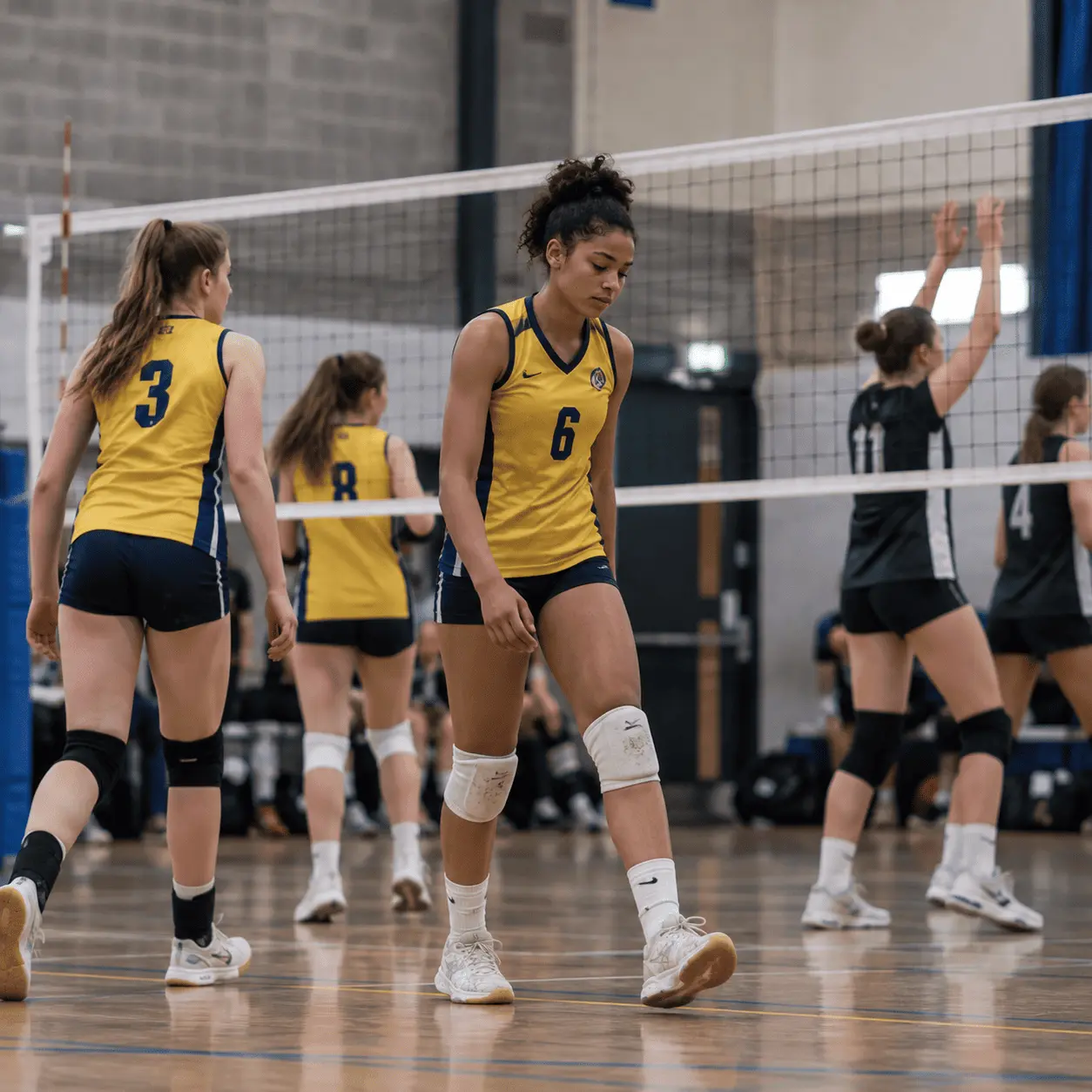
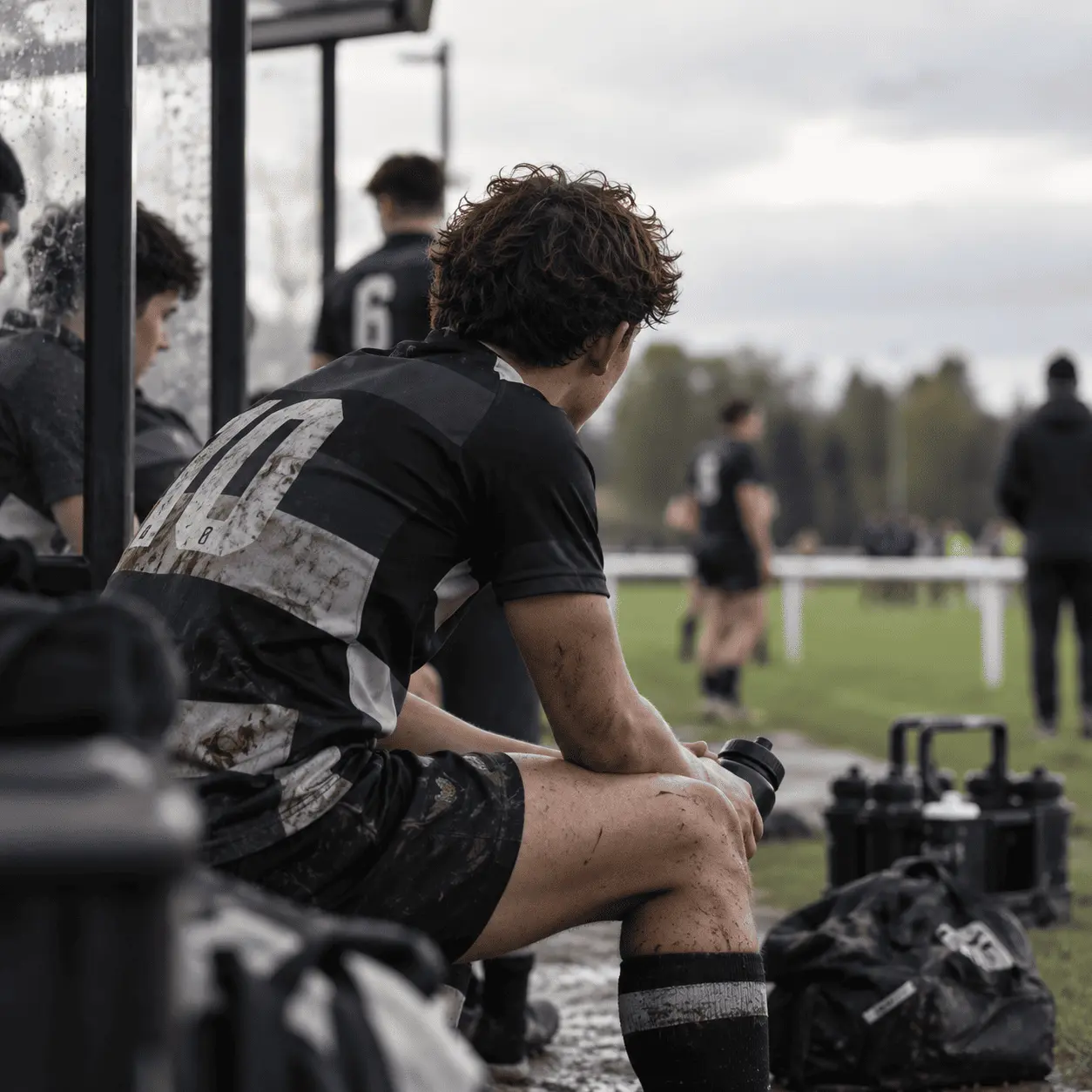
5. The mistake isn’t always the problem. Watch the next ten seconds.
A mistake happens. Fine. It happens at every level of sport. Instead of only watching the mistake, watch the next ten seconds. Where do their eyes go? What happens to their body? And what do they do next? The mistake itself might last a second. The response can stay with them for much longer. They look towards the coach, their movement changes, they stop communicating or become reluctant to get involved again. Or they reconnect with what’s happening and make the next useful decision. Once you know what you’re looking for, you start seeing this everywhere. A basketball player after a turnover. A hockey player after missing an opportunity. A rugby player after a handling error. Different sports, different mistakes, but the useful question is often the same: what happens next?
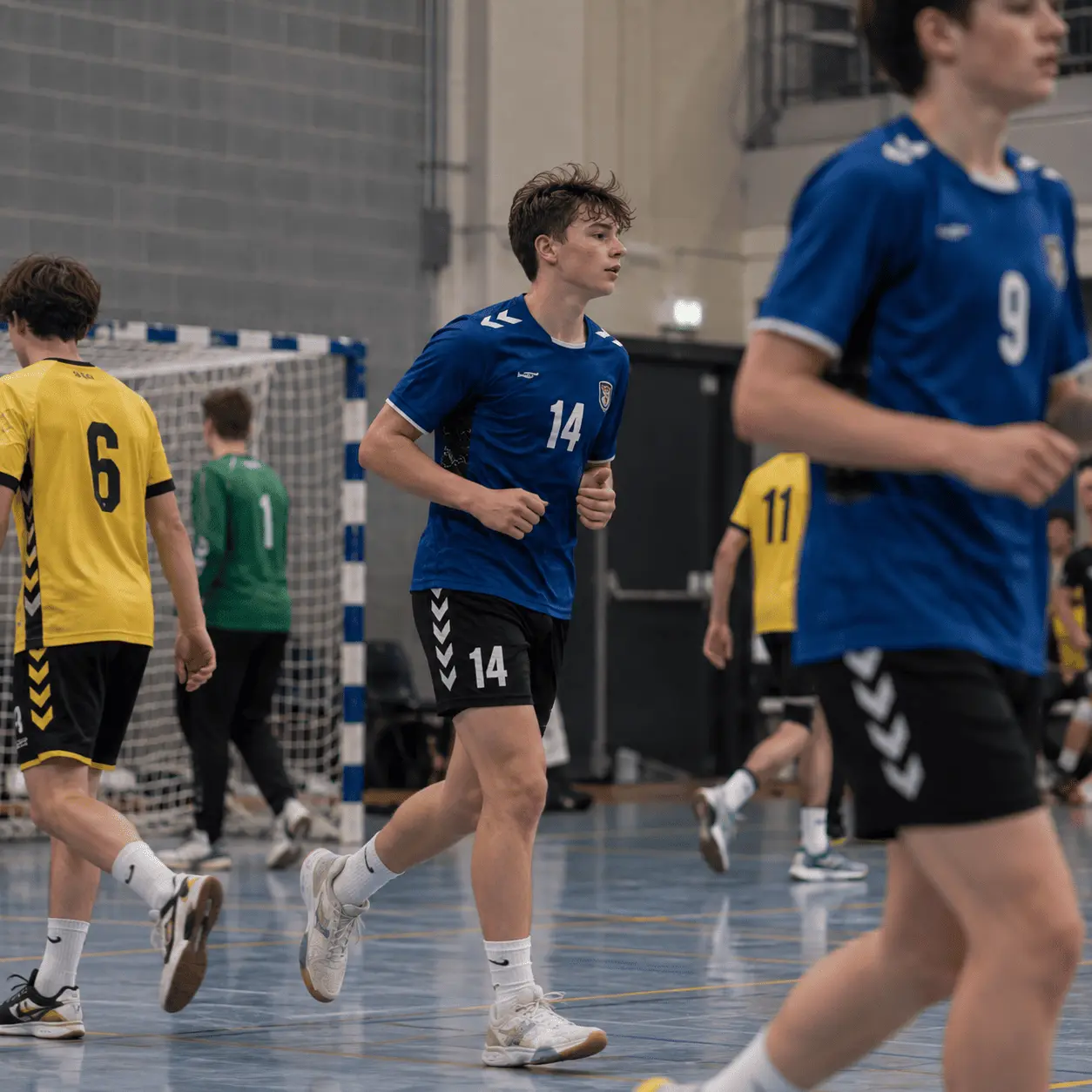
6. Mental skills work better as routines than reminders.
Imagine trying to teach a player their pre-match routine five minutes before the biggest game of the season, or explaining how to reset after mistakes while they’re still furious about one. That’s probably too late. The useful work happens before the difficult moment. Players can practise what to notice when their attention starts drifting, how to interrupt their reaction and where to bring their focus back. Then, when competition disrupts them, they’re not trying to invent a response in the middle of it. They have something familiar to return to. That doesn’t mean pressure, nerves or frustration suddenly disappear. The aim isn’t to manufacture the perfect feeling. It’s to give the player something practised to do when the feeling isn’t perfect.
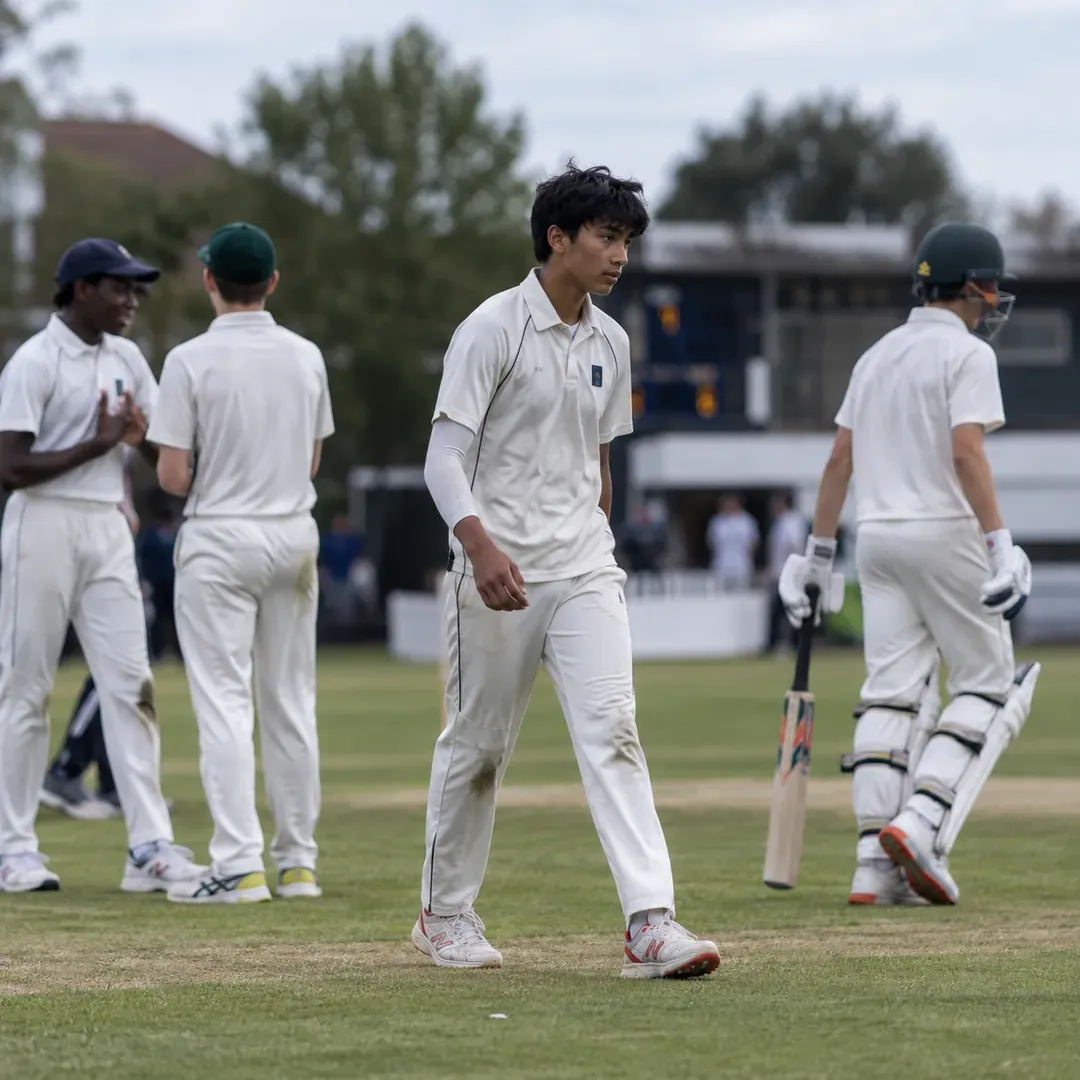
7. The goal isn’t to stop feeling pressure.
Players who handle difficult moments well still get nervous. They still get frustrated, make mistakes and care what their coach thinks. They still have games where things don’t feel right. The difference isn’t that nothing gets to them. Mental performance isn’t about creating a player who never gets disrupted. That player doesn’t exist. The more useful skill is recognising when something has pulled you away from your game, then knowing how to get yourself back into it. That’s the response we’ve spent years teaching players at PlayerScout. Notice what’s happened. Reset the reaction. Refocus on what matters now. Then make the next useful decision. We call it the Next Response Method, and the aim is simple: not perfect feelings, but a practised way back into the game.
Add your opening text here. Use the word editor in the Editor Studio to write, format and link this copy.
Add your closing text here. It sits under the image and above the Try It Risk Free panel.
Try It Risk Free
★★★★★
Real results owners love
"Rocco is finally back to his old self!"
90 Day Money Back Guarantee

WHAT THE RESEARCH ACTUALLY SAYS
THE MENTAL SIDE OF SPORT CAN BE TRAINED. BUT IT ISN’T MAGIC.
MENTAL SKILLS SHOULDN’T BE LEFT FOR PLAYERS TO FIGURE OUT ON THEIR OWN.
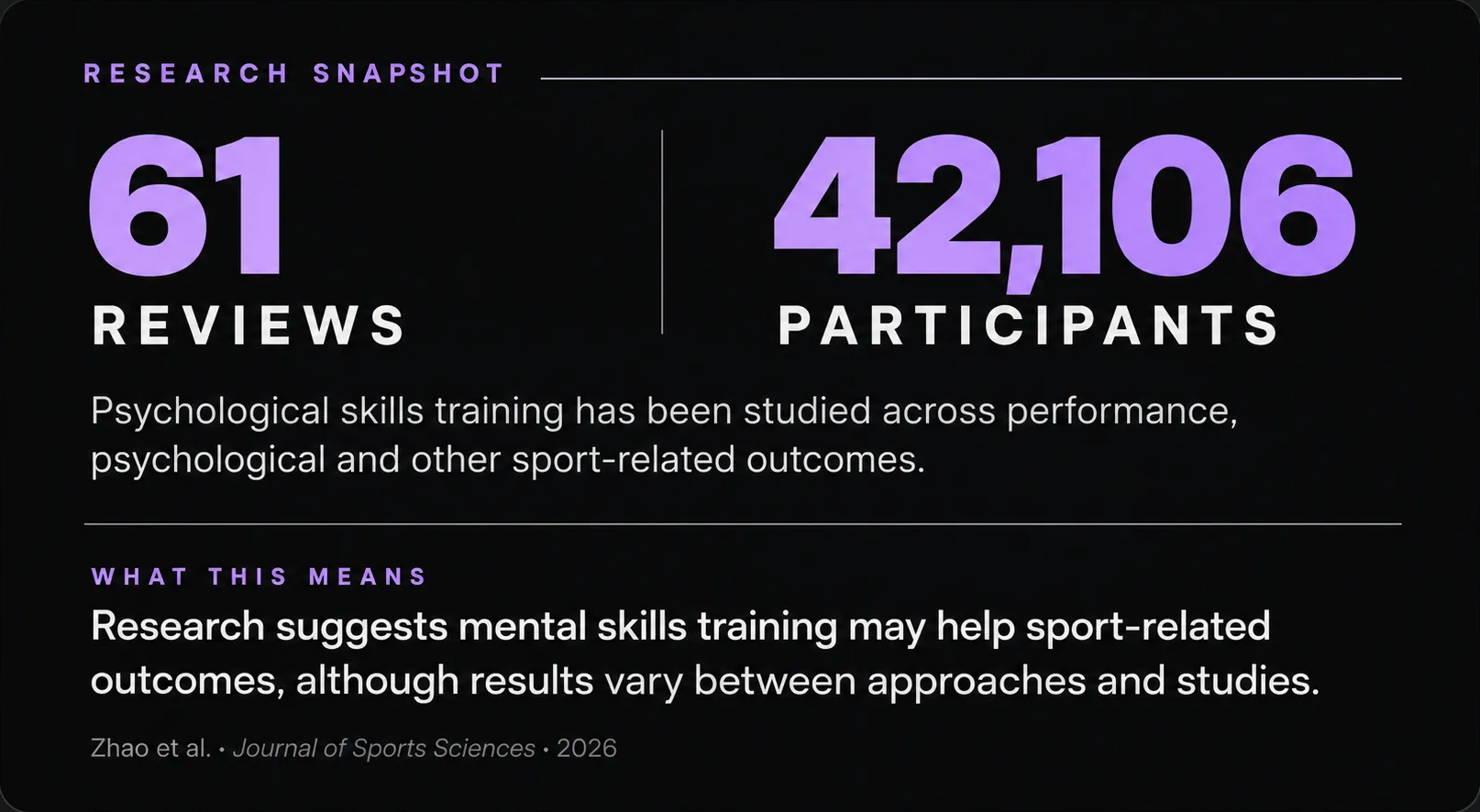
Research into psychological skills training has looked at approaches including imagery, goal setting, self-talk, attention strategies and relaxation. Across the research, there are encouraging signs that structured mental training can help aspects of sporting performance. But the evidence isn’t as simple as saying one technique works for every player. Studies vary in quality, outcomes and the way mental skills are taught. That matters. Our takeaway is much more practical: mental skills are skills. They need to be taught, practiced and used in the situations where players actually need them.
★★★★★
What Parents And Coaches Are Saying
Trusted by dedicated trainers and parents across competitive regional leagues.

★★★★★● Verified Customer
Marcus S. Parent, U16 football
"No more crying in the car after games."
"My 13-year-old son used to carry intense anxiety onto the pitch. Since implementing the 24-hour cool-down and identity isolation frameworks, his performance has exploded, but more importantly, he's happy again."

★★★★★● Coach, U16 Football
Sarah D. · Verified Coach
"Essential tools for modern youth teams."
"We've made the Player Mindset Program mandatory for our elite travel squad. Teaching children how to reset their physical anxiety response on the field has drastically reduced mid-match mental fatigue."

12,000
Players Worked With
500,000+
Community Members
4.7/5
★★★★★ Trustpilot Rating
52
Countries
✦ Special SEPTEMBER Offer
Give Your Player the Ultimate Mental Edge
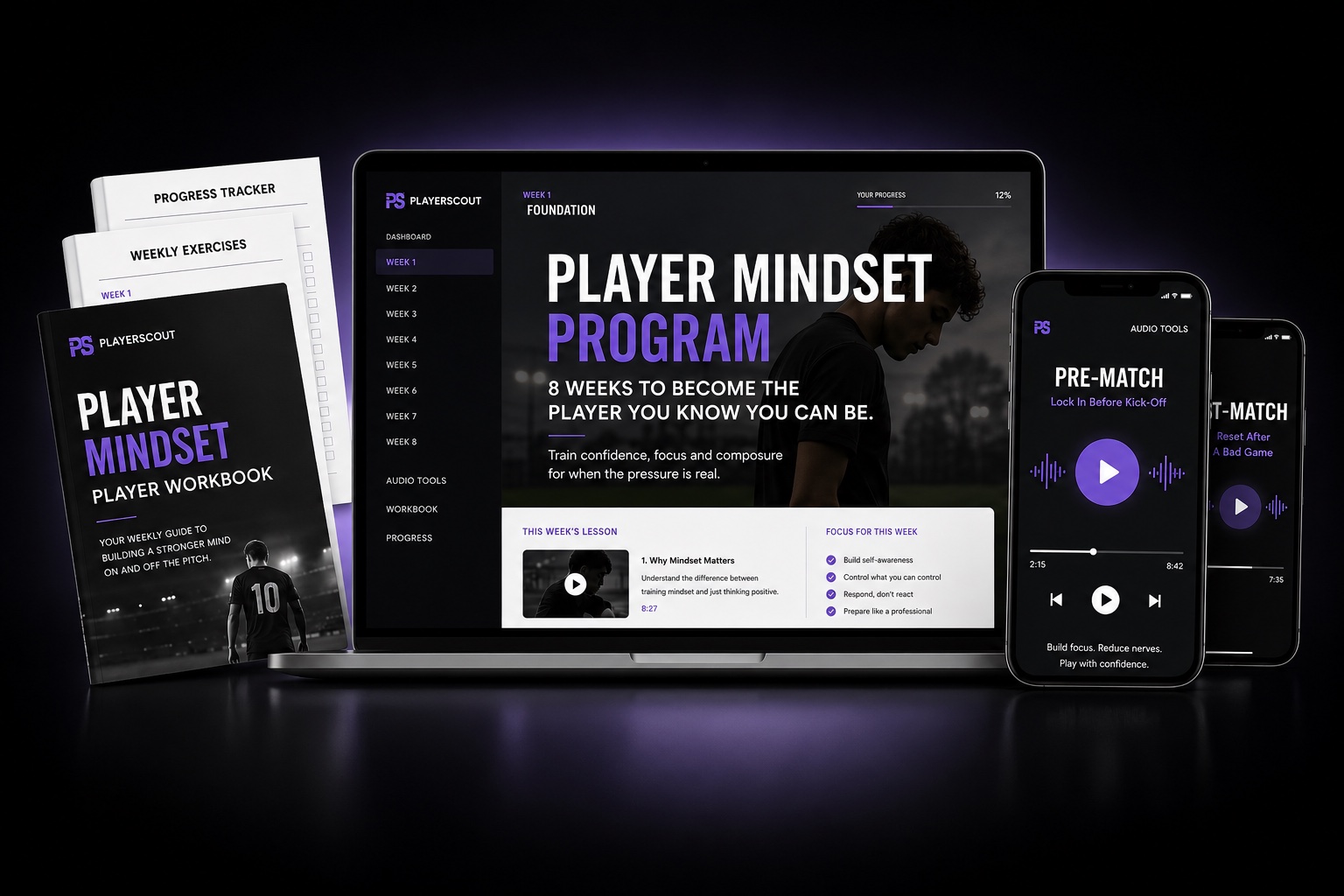
An 8-week mindset training system proven to help young players reset after mistakes, handle pressure, and show their ability when it matters.
✓All Team Sport Players 8 years+ to adult
✓All team sports. All levels.
$97 $197
★★★★★ 4.7/5 on TrustPilot.
Trusted by 12,000+ players and families.

8-WEEK PROGRAM
Step-by-step mindset training that builds week by week.

AUDIO TOOLS
Pre-match, post-match and situational tracks for real game situations.

PLAYER WORKBOOK
Weekly exercises and reflection tasks to lock in your progress.

LIFETIME ACCESS
Learn at your own pace. Come back anytime, forever.
 Science backed system used by 12,000+ players worldwide.
 14-day money-back guarantee · No questions asked
12 STRATEGIES USED BY ELITE PLAYERS & PRO CLUBS
FREE GIFT SEPTEMBER LIMITED TIME OFFER
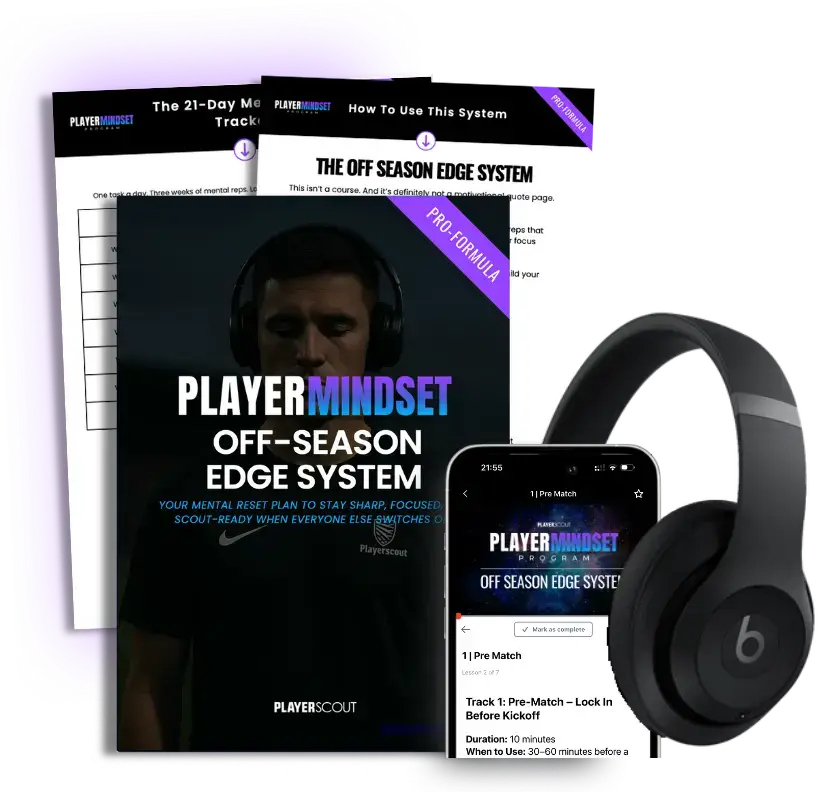
21 Day Off-Season System
21-Day Plan + Audiobook + Off-Season Mindset Audio
A simple 21-day mindset plan players can follow when games slow down, routines change, and motivation starts to drop. It helps them stay confident, focused, and mentally ready during the break, so they don't lose the habits they've built during the season.
$99

14-DAY MONEY-BACK GUARANTEE
Try the full program risk-free. If it's not the right fit, get a full refund.

DISCLAIMER: Our website provides readers with content for informational and educational purposes only and does not replace medical advice from qualified healthcare providers. You must always consult a qualified healthcare professional when undertaking fitness, training or nutritional programmes. All testimonials are specific to the individual players and individual results may vary.
© 2026 PlayerScout. All rights reserved.
PlayerScout® Player Mindset Program
14 Day money back guarantee.